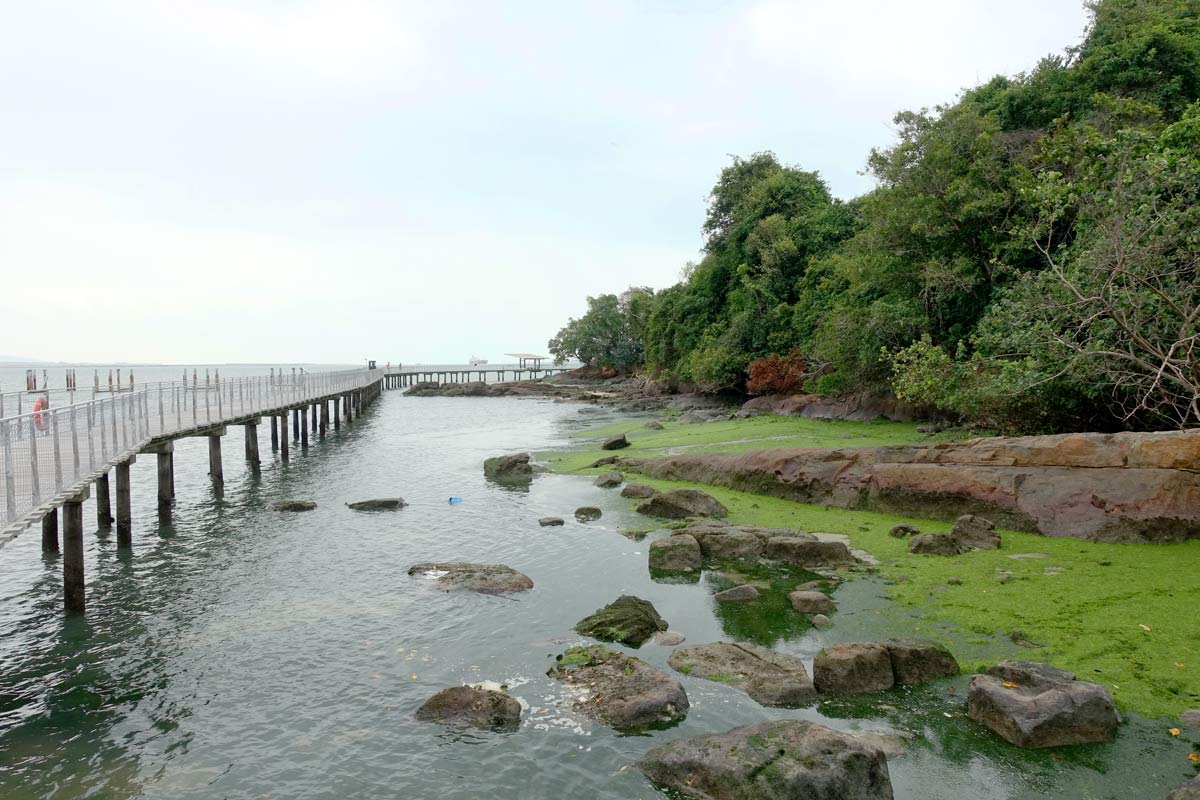
Chek Jawa Wetlands
This intertidal area features a unique combination of six distinct habitats, including rocky shores, sandy beaches, and seagrass lagoons.
Visit during low tide to observe marine creatures on the sandbar.

The mangrove channels around Chek Jawa form Singapore's most intact coastal wetland ecosystem, accessible only by kayak or boat. This page covers the educational routes, wildlife observation windows, and tide considerations for paddling through the mangrove forest zones.
Quick answer
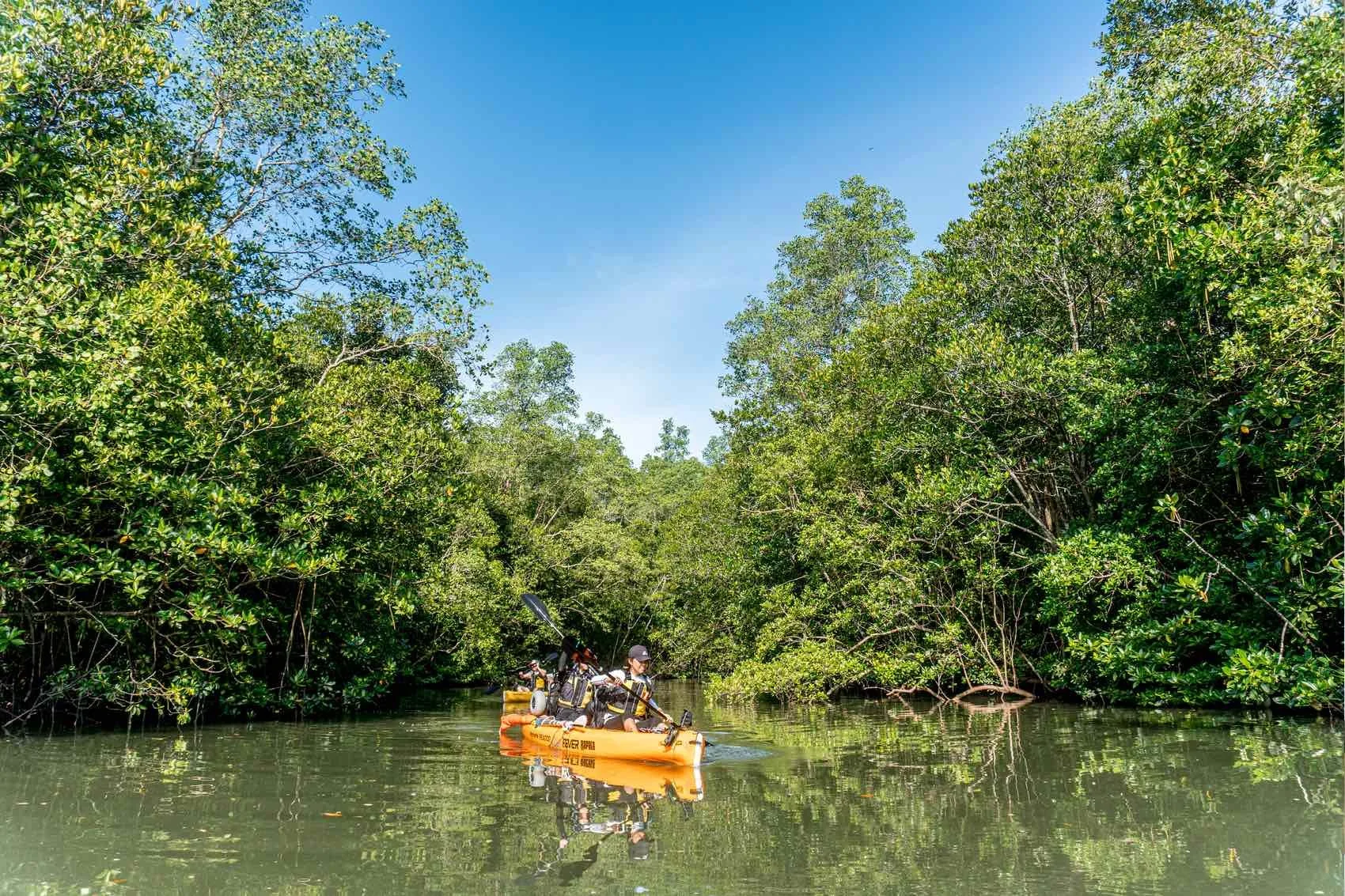
Pulau ubin mangrove kayaking operates daily from 06:00 to 19:00, with tours typically lasting three to four hours through the Chek Jawa wetland zone. Entry to the island is free; kayaking requires a booked guided tour or advance rental arrangement. Early morning departures between 06:00 and 09:00 align with high tide and cooler temperatures, essential for navigating the narrow mangrove channels without grounding.
The mangrove forests fringing Chek Jawa shelter more than sixty species of birds, four species of horseshoe crabs, and Singapore's only remaining population of coastal otters that hunt visibly at dawn. Kayaking these channels offers close observation of pneumatophores—the aerial roots that let mangrove trees breathe in waterlogged soil—and the mud lobsters whose burrows aerate the forest floor. Most paddlers follow the Chek Jawa perimeter route, a sheltered three-kilometre loop that enters the mangrove corridor at Mamam Beach and exits near the coastal boardwalk. The route stays within the intertidal zone, so timing matters: high tide opens the full channel width, while mid-tide exposes root systems and resident mudskippers. Guides point out the zonation pattern—Avicennia alba closest to open water, Rhizophora apiculata in the mid-zone, Bruguiera gymnorrhiza toward the landward edge—each species adapted to different salinity and sediment loads. Chek Jawa's mangroves function as a nursery for juvenile fish, and snorkelers often spot archerfish and mudskippers hunting along submerged roots. The wetland's sediment traps pollutants before they reach the reef flat, a process visible in the water clarity gradient as you paddle from the mangrove interior toward the seagrass lagoon. Educational signage at the boardwalk start point explains the carbon sequestration rates—mangrove soil stores carbon four times faster than terrestrial forests. Guided tours include briefings on leave-no-trace paddling: no anchoring in root zones, no touching nesting sites, single-file progression through narrow channels. Independent rentals require demonstrated paddle competence and a signed route map, since the channels fork and tidal flow can disorient first-time visitors. The island operates from 06:00 to 19:00 daily; arriving before 09:00 gives you four hours of paddling time before midday heat and ensures return ferry availability from Changi Point.
“The mangrove corridor at Chek Jawa shelters Singapore's only remaining coastal otter population, visible to kayakers during early morning high tide.”
Successful navigation of the mangrove channels and Chek Jawa requires careful coordination with tidal cycles and early arrival to avoid midday heat. Prioritizing the best arrival window of 06:00–18:00 ensures sufficient time for the 4-hour activity while the water levels are optimal for kayak access.
—
Lower boat traffic allows for quieter observation of mangrove wildlife and smoother navigation of tidal channels.
Calm seas, 25°C–32°C
Stable conditions provide the most consistent water levels for entering restricted mangrove zones.
Frequent rain, 24°C–30°C
Increased rainfall may limit visibility and restrict access to certain sensitive mangrove areas due to strong currents.
Verdict: The best time to visit is Tuesday to Thursday during the inter-monsoon months of April or October, adhering to the best arrival window of 06:00–18:00.
This route suits paddlers comfortable with 4 hours on the water, covering the eastern mangrove channels and Chek Jawa's intertidal boardwalk zones. Guided tours typically launch mid-morning to align with favorable tides.
Meet your guide at the main jetty for safety protocols and paddle technique. Launch into the sheltered western channel and head northeast toward the mangrove corridors.
Navigate narrow root-lined channels where mudskippers and fiddler crabs occupy exposed mud banks. Guides explain pneumatophore root systems and the role of Avicennia and Rhizophora species in coastal protection.
Paddle toward the eastern wetlands, passing fish farms and the transition from mangrove to seagrass beds. Watch for resident herons and kingfishers along the forest edge.
Beach your kayak near the Chek Jawa visitor point and walk the elevated boardwalk through the intertidal zone. Observe exposed coral rubble and seasonal sand bar formations during low tide.
Retrace the route through the southern mangrove belt, practicing silent paddling techniques to spot monitor lizards basking on exposed roots. Expect a steadier current if the tide has shifted.
Pull ashore at the launch point for a short debrief on mangrove ecology and responsible kayaking practices. Rinse gear and collect any belongings left on-shore.
Navigating the waterways of Pulau Ubin offers a direct look at complex coastal ecosystems, ranging from dense mangrove forests to the rare intertidal flats of Chek Jawa. These zones provide critical habitat for diverse marine life and protected plant species.
This intertidal area features a unique combination of six distinct habitats, including rocky shores, sandy beaches, and seagrass lagoons.
Visit during low tide to observe marine creatures on the sandbar.
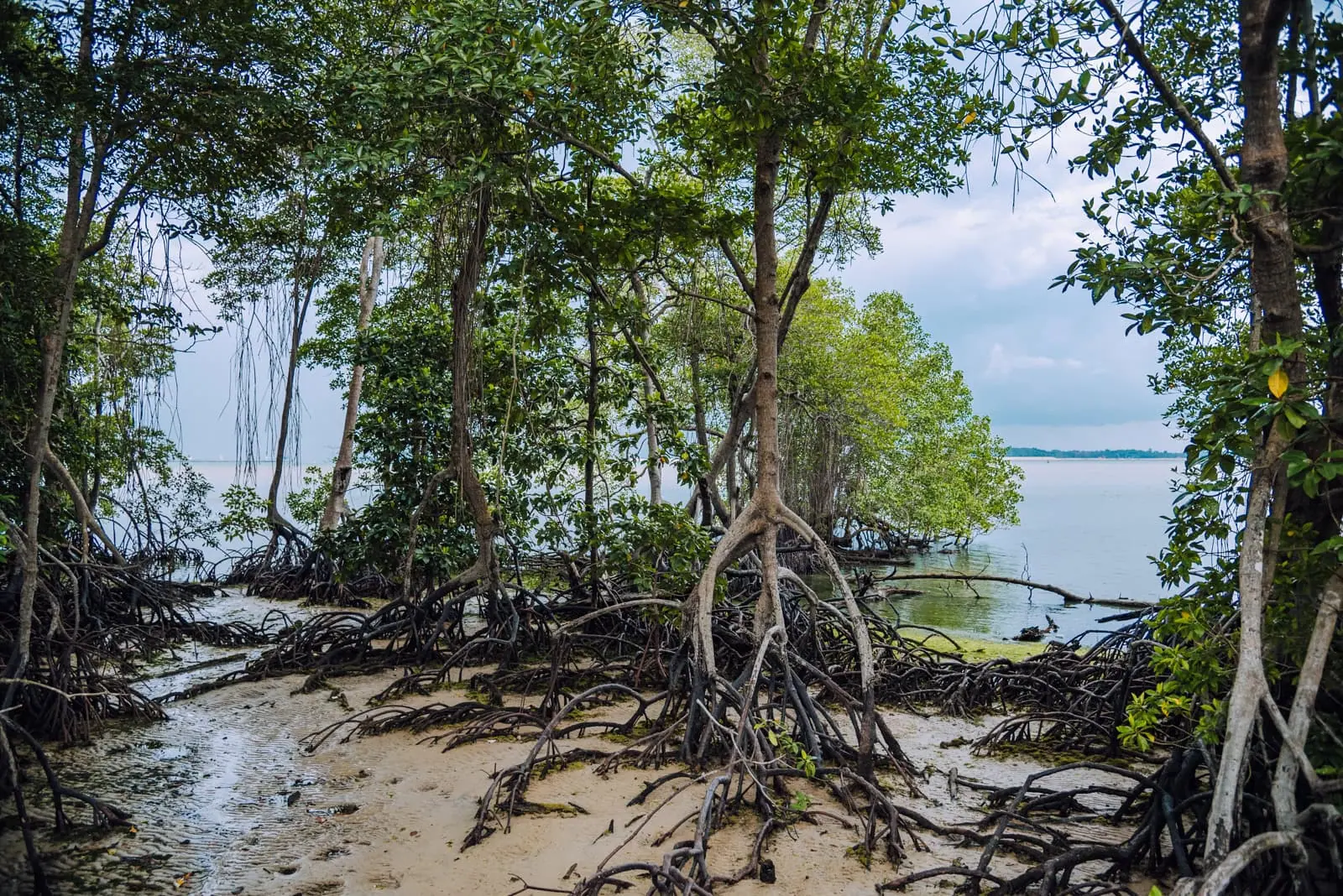
The mangrove zones are characterized by specialized root structures like pneumatophores that allow trees to breathe in waterlogged soil.
Look closely at the base of trees to spot mudskippers and crabs.
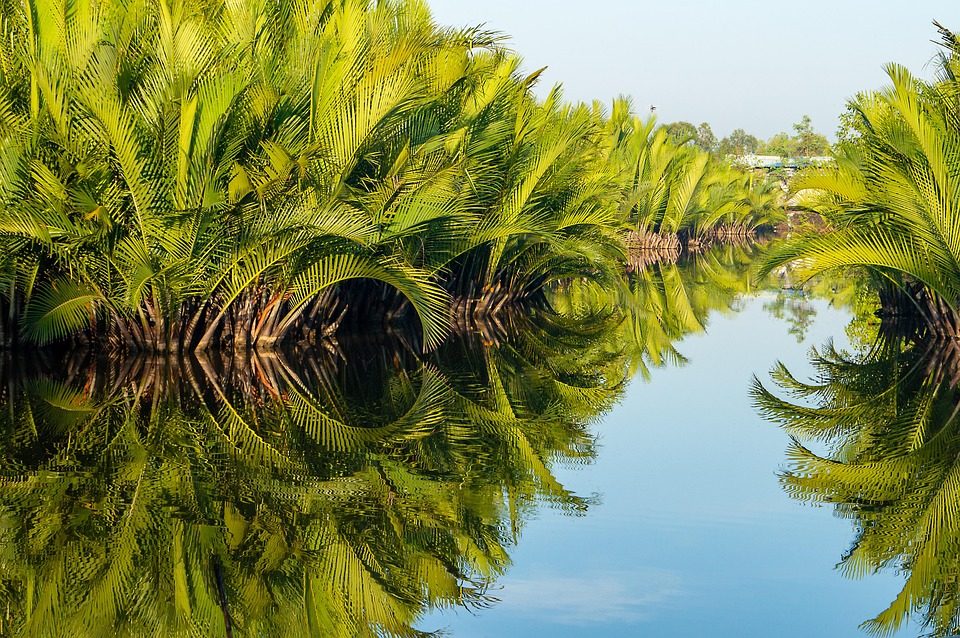
Found along the inner edges of the mangroves, the Nipa Palm is the only palm species adapted to grow in these brackish environments.
Observe the dense, low-growing fronds lining the narrow water channels.
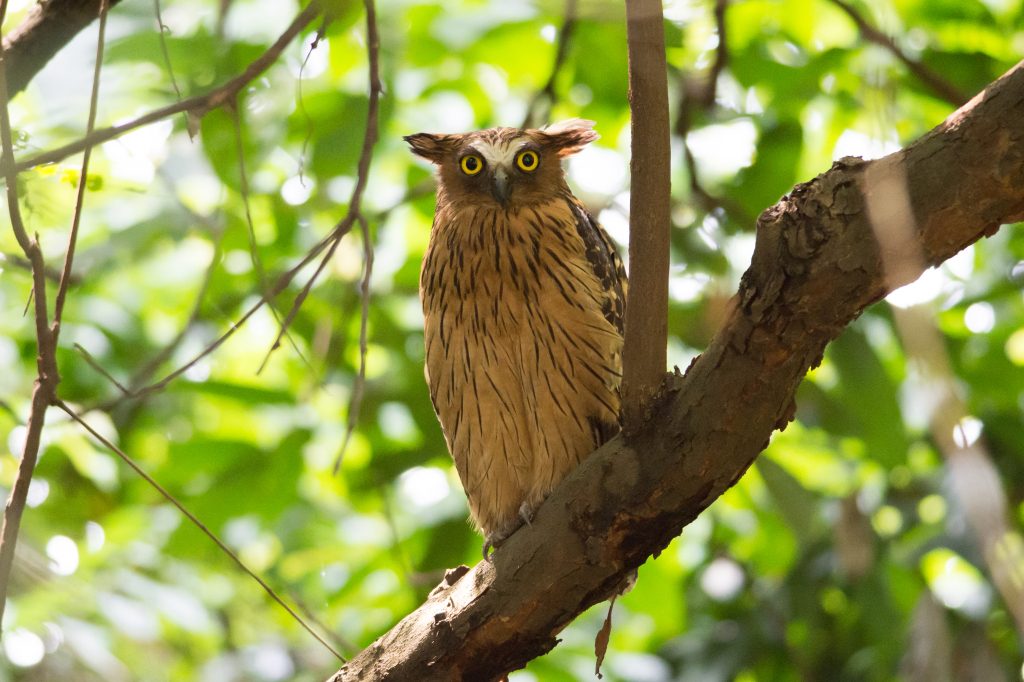
The transition zone between mangroves and dry land hosts a variety of native trees that provide shelter for birds and monitor lizards.
Keep binoculars ready to view wildlife resting in the upper branches.
Pulau Ubin's mangrove ecosystems are fragile nurseries for rare wildlife and coastal biodiversity. Responsible paddling protects these habitats and ensures future visitors can experience the same ecological richness.
Prepare for a water-based mangrove excursion with these essentials.
Everything you need to know about pulau ubin mangrove kayaking
Navigating the tidal creeks allows visitors to observe delicate ecosystems and root structures up close within the Chek Jawa wetlands. This activity provides an educational perspective on how Singapore preserves its coastal heritage.
Yes, individuals must book a tour or rental with an operator to participate in this water-based activity. Independent paddling without a guide is generally restricted to ensure environmental protection and visitor safety.
Most tour operators have specific age or height requirements to ensure that participants can handle the equipment safely in the water. Please check the specific terms provided by your chosen provider before confirming your plans.
While the time on the water varies, a typical session lasts around 4 hours to accommodate tidal changes and paddling pace. This timeframe allows for a comprehensive exploration of the scenic mangrove zones without rushing.
You should prepare sun protection, hydration, and appropriate water shoes for your outing. Since this is an outdoor activity, wearing quick-dry clothing and having a waterproof bag for your belongings is highly recommended.
The dense canopy and mudflats are home to monitor lizards, mudskippers, and various species of kingfishers. Staying quiet and observant during your paddle increases the likelihood of spotting these native creatures in their natural habitat.
The best arrival window is 06:00–18:00 to avoid the intense heat and potential midday boat queues. Arriving early also ensures you have sufficient time to complete your full 4-hour excursion before the island facilities wind down for the evening.